


The Journey
The Beginning
I was born in Pau, a small city in the southwest of France, to a Spanish mother and a French dad.

Connected
I got my first internet connection at home. I started to browse the web, use MSN Messenger, Yahoo Search, and play chess on the computer.

The Introduction
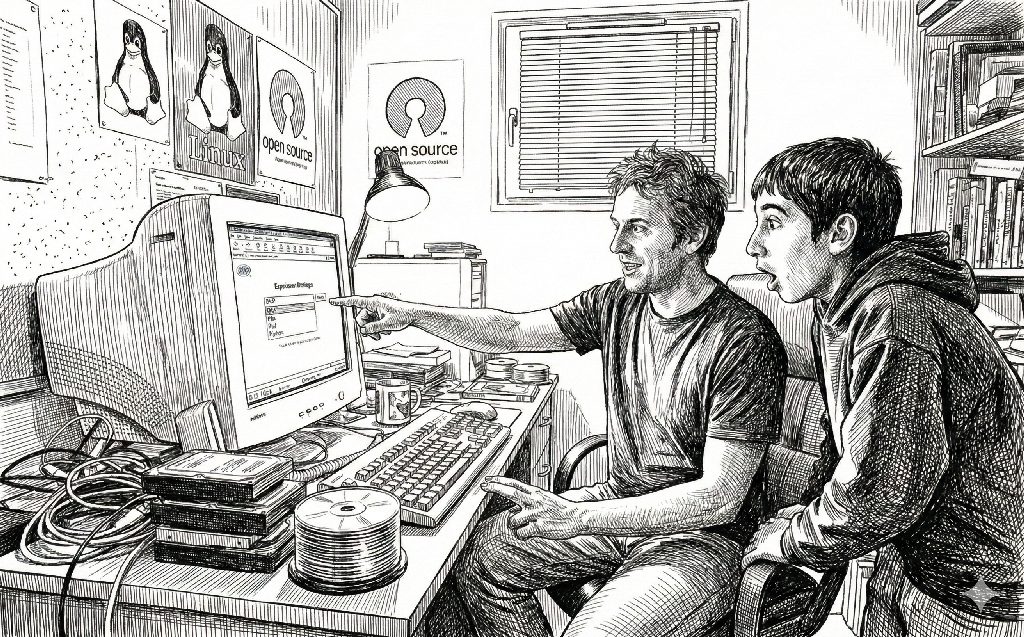
A friend of my parents was a "freelance web developer." At the time, it was something completely new. I was fascinated by what he was doing. He was creating e-commerce websites in PHP. I will never forget the moment he showed me an autocomplete search bar: "It took me a month just to create this." I was shocked.
I asked him how to create such websites. He said: "Go there, read the doc, and do the exercise. It's not easy."
The First Build
I wanted to create a website for my basketball team, so I got
interested in web development and got my first website up and
running. It was the
<table>
era, using Dreamweaver and FTP. I started to understand GET/POST
requests, MySQL, Apache, some HTML, CSS, and JavaScript. This was
before YouTube existed, before jQuery, before Facebook.

First Client
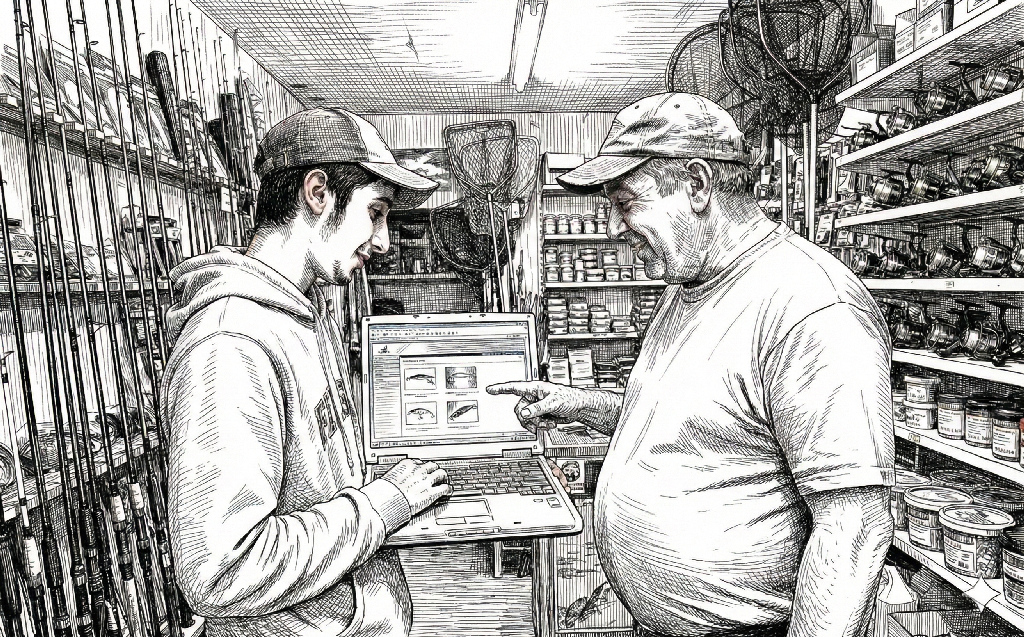
At age 16, another friend of my parents who owned a fishing shop asked me if I could create a website with all his products on it. It wasn't an e-commerce at this time, just pictures and text. I did it, and he paid me. I understood this was actually a job and not just a hobby.
The Pivot
I got a accident that put me in a cast for multiple weeks. I couldn't play basketball anymore and for a long time. So I started to learn Linux and Unix systems, SSH, Bash, Python, and I went deeper into network and security stuff.

The Network
After this episode, I got deeper into web development with Python, Django, CSS, and JavaScript. "What is the fastest way to create dynamic websites and show them to the world?"
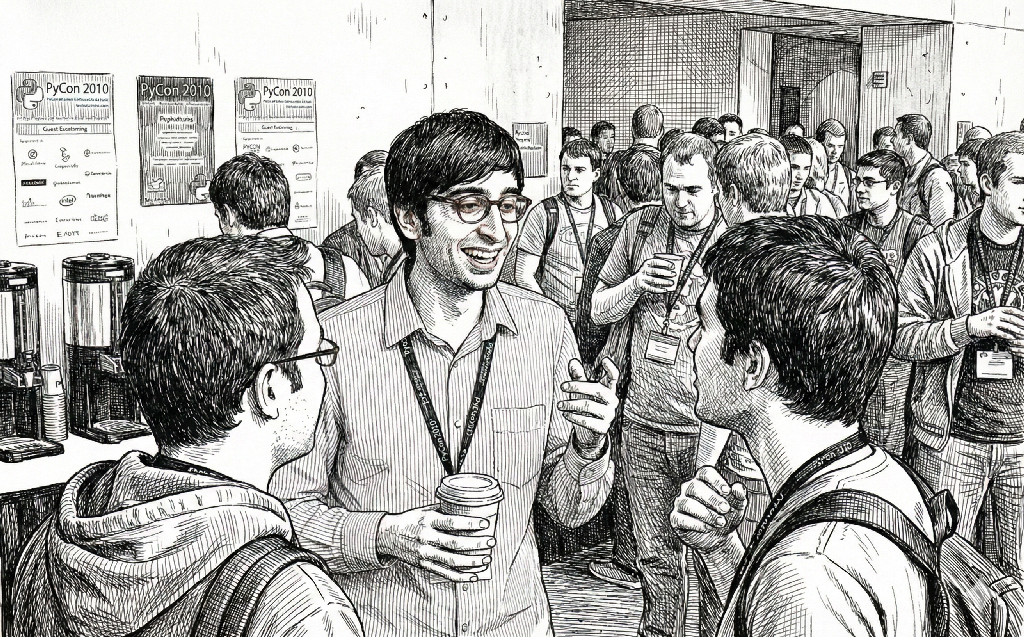
I went to university for one year (web development), but during that year, I started to go to tech events to get in touch with other developers.
Ruby
In March 2011, at age 20, I met some Ruby on Rails developers during a tech event. They were able to create in 6 hours what cost me 6 days with Python. I immediately fell in love with Ruby on Rails. I found the perfect tool to create and deploy products very fast with an elegant language. It was at this moment I co-created hashtagbattle.com.
I also dropped out of college after my first year because I started to work as a freelancer. I had decided to drop my studies and keep working for my clients.
Freelancing & Teaching
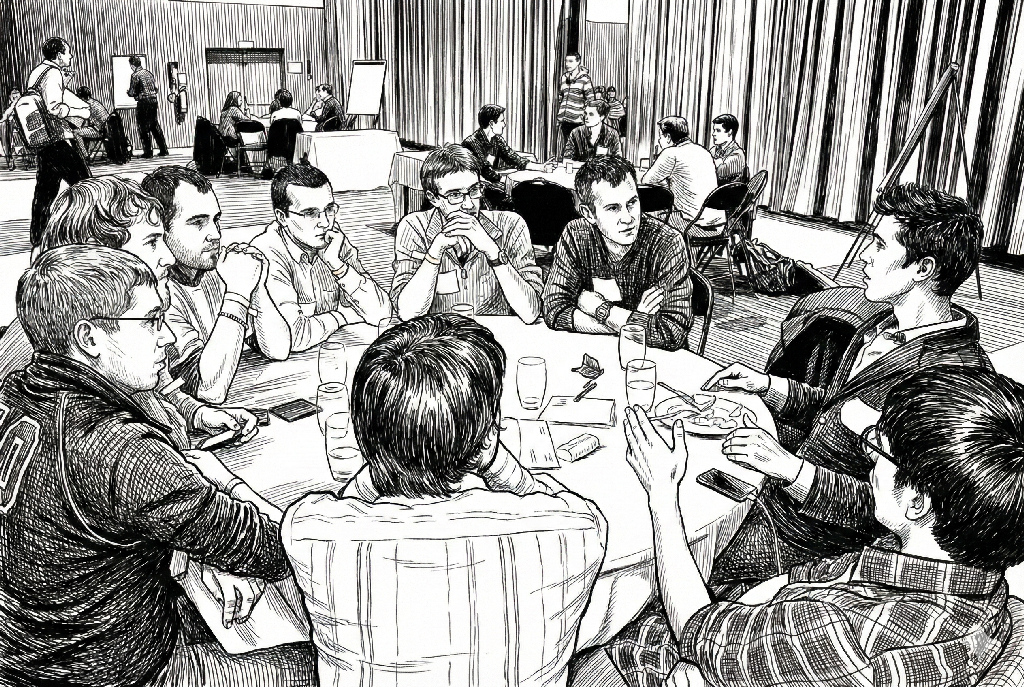
It was the freelance era, full of tech events, conferences, client work, and learnings. I also wrote the entire "Web Development" curriculum for Ingesup, an engineering school (France).
- Talk: Ruby Gem Capucine - Slides (RULU, June 2012).
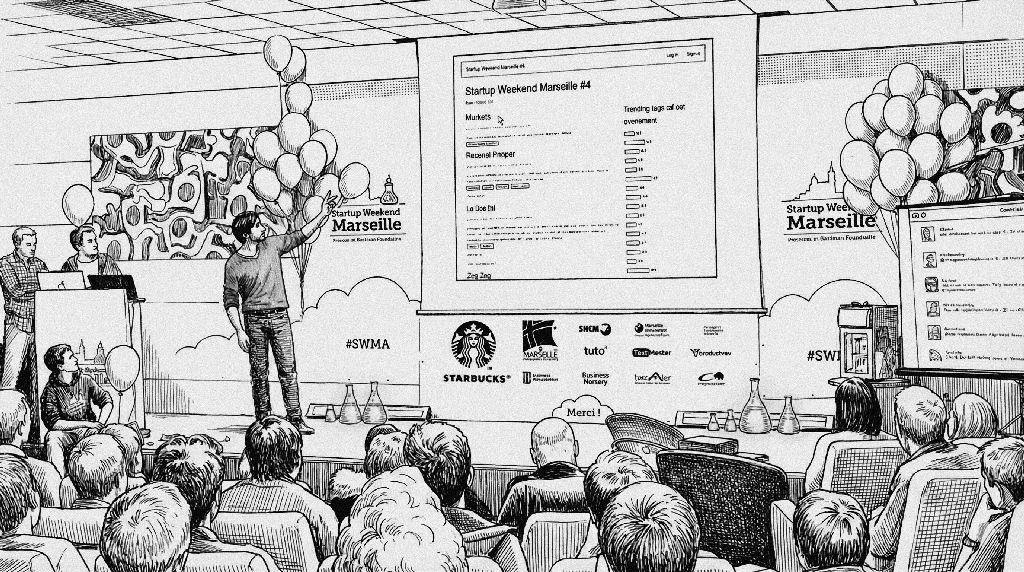
- Talk: Rails and Heroku - Slides (Startup Weekend Bordeaux, June 2012).
- Talk: Web Performance - Slides (Blend Web Mix, November 2013).
- Ingésup: Web Development Curriculum
The Agency
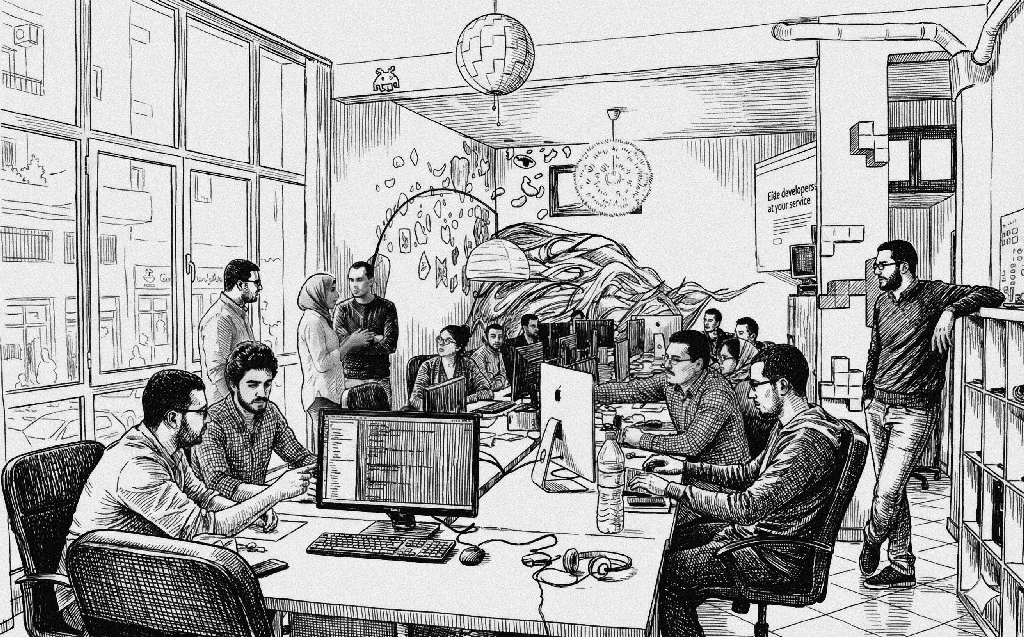
I joined forces with a CEO to co-found a Web Agency in Morocco (Agadir). We trained top Moroccan engineers to work with Ruby on Rails, Android, and iOS. We were developing apps for various clients. I spent these years mostly in Agadir to train the team and share best development practices. At age 23, I was managing 10 engineers with the help of my co-founder.
Mission Critical
During the Web Agency era, I got the chance to create the app for the FIWC 2016 (FIFA Interactive World Cup 2016, now named "FIFAe World Cup"). I had to build a mission-critical app in only six weeks, used on iPads and various live screens to display scores.
I remember debugging the last feature in the airplane, offline, during the flight from Paris to New York. Thanks to my test suite, I was able to spot one mistake I made and fix it 3 hours before the event. The system worked perfectly, and it was a huge success.
- FIFA and FIWC: Live scores for one of the biggest E-Sport event in the world
- Talk: Re-Think your workflow with a piano - Slides, Code (BDX.io, June 2016).

Freelancing & Teaching (again)
Time for a change! I wanted more freedom to work on my own stuff. I decided to quit my CTO/co-founder role to get back to being a freelancer. It was also the time I started to teach Ruby at Le Wagon in London, Amsterdam, and Barcelona. I was switching between client work, teaching web development, and some open source projects like LocalTower.
- LocalTower: The best way to create Ruby on Rails DB Migrations
- Le Wagon: Teaching Ruby on Rails and product design.
- Effilab: Bing Partner Award.
- SNCF Loco2: Due diligence, acquisition Quality Audit for a large Ruby On Rails application.
Elixir & Phoenix
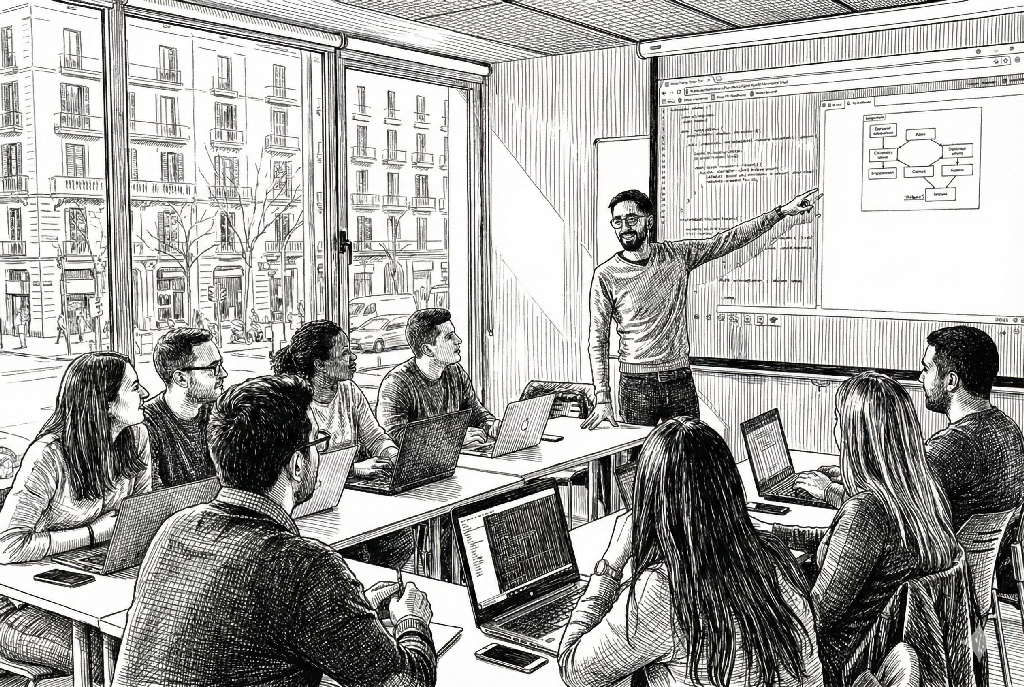
Still freelancing, I started experimenting with Elixir and Phoenix alongside Ruby on Rails. I gave a talk in Barcelona showing real-world usage of Elixir/Phoenix working with Rails.
- Talk: Phoenix and Elixir working with Rails - Slides (PDF) (Elixir | Barcelona meetup, October 2018).
The New Dope
I spent all this time working with clients on large Ruby on Rails applications. But there was a topic that had been on my mind for a long time: social networks and their effect on us. I also realized my family and friends got interested in technology and were asking questions: "How does it work?"
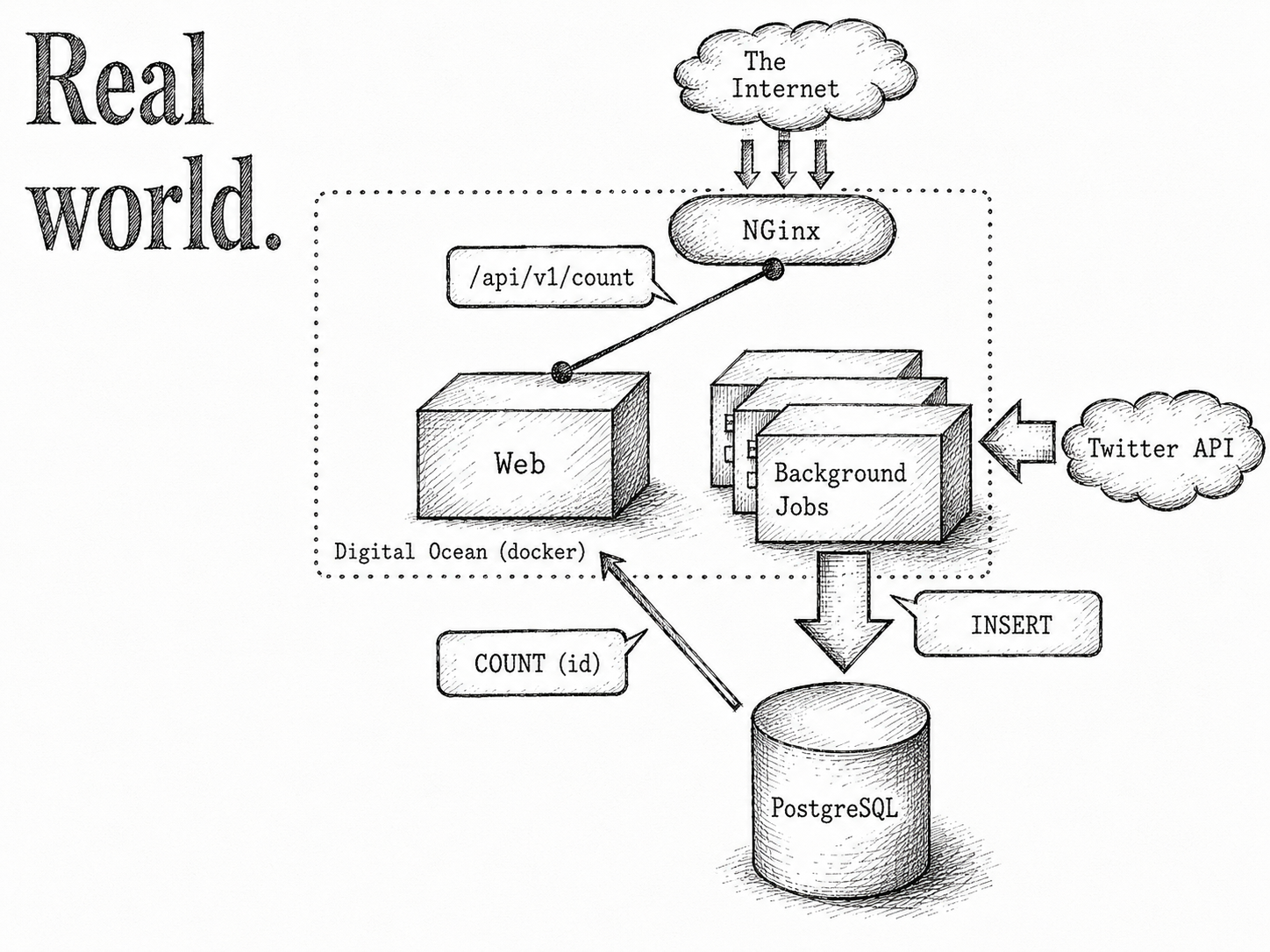
I wrote a book that combined my knowledge to explain to anyone how the Internet is built, and also share some research I did about Social Networks and dopamine. In August 2019, I self-published a book called "The New Dope".
The Craftsman
I kept working on Ruby on Rails applications with always the same obsession: how to build robust systems, well-tested, and elegant. While deploying various times a day without breaking production. Tooling became part of my habits. I wanted to have more head space to think about the database structure, the services, the performance. All the things that were making a difference for the dev team and for the final users.

The AI Shift
A close friend sent me a message: "Damian, you have to try this now." It was a link to ChatGPT and it was a groundbreaking moment for me. I could see the direction of AI and code. It was obvious that coding agent could become a reality. I thought, "Maybe in 5 years it will be great." I was wrong: we got incredible tooling only 3 years later.

The Agentic Future
In the meantime, I experimented with AI while working on Ruby on Rails applications. The tools are getting better each month. Every month something impressive happened, and I would have never predicted such a jump in evolution in only 3 years. November 2025 is to me a key moment. Many developers realized they have to evolve in order to keep adding value in the current tech companies.
That's why I decided to dedicate my time to help developers get better and be ready to embrace the future of coding. Developers should not be responsible for the small things but they should be part of the future of the app they are working on, hand in hand with the product team to deliver exceptional digital products.